



top of page

The Dayana IT Approach

Technology becomes valuable when people can truly use it
 

In luxury hospitality, real estate and high-end retail, technology is no longer a support layer on the side. It shapes operations, guest experience, staff performance, commercial intelligence, security, and long-term scalability.
 

Yet in many organisations, technology has not been given the operational attention it deserves for months, sometimes years.

Systems accumulate. Vendors multiply. Teams adapt as best they can. Documentation becomes incomplete. Access management weakens. Infrastructure drifts away from operational reality. Data becomes fragmented. And although many tools are technically in place, very few are fully aligned with the way the business actually works.
 

This is where Dayana makes the difference.
 

We place highly capable experts directly inside your organisation, in close contact with your teams, your leadership, and your daily operational reality. Our role is not simply to support technology. Our role is to reconnect technology with people, processes and performance.
 

We listen first. We assess with precision. We structure what is missing. We connect what is fragmented. And we orchestrate a model that is documented, scalable, resilient and truly useful to the business.
 

Because digital tools do not solve every problem on their own.
But when the operational machine is well designed, well understood and well governed, technology becomes a powerful accelerator of performance.

We embed experts inside the client’s organisation while backing them with the wider Dayana structure, we offer something rare: the closeness of an internal team member with the leverage of an external specialist organisation.
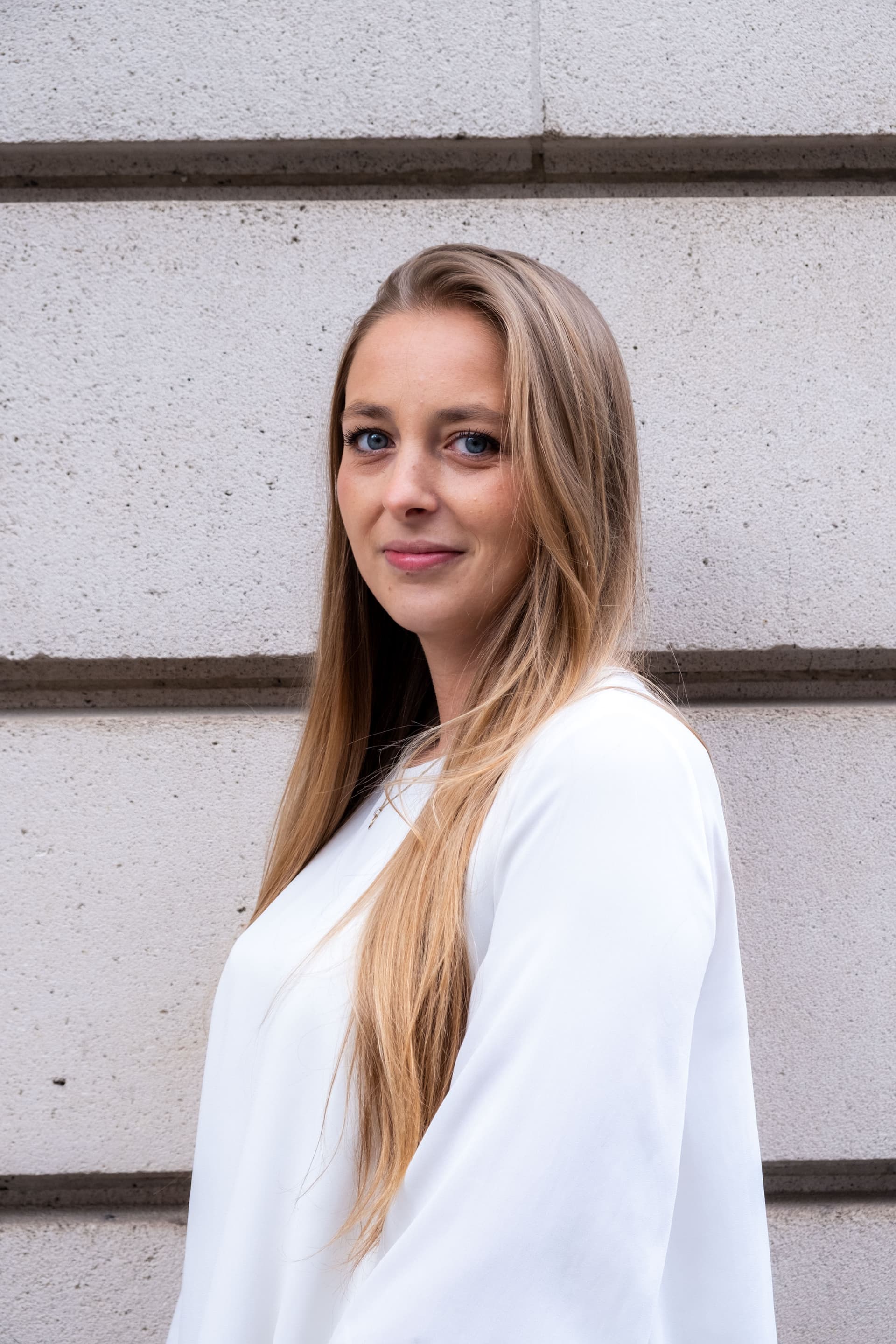
Dayana Corp - Marie Leirens - IT Support.jpg
Many organisations depend on multiple external partners across infrastructure, telecom, cybersecurity, software, digital marketing, web, integrations, guest technologies or managed services. Yet few have a clear methodology for supervising these relationships properly.

Dayana helps identify every relevant provider, review the framework of each collaboration, re-read master agreements where needed, clarify responsibilities, and introduce a structured follow-up model.
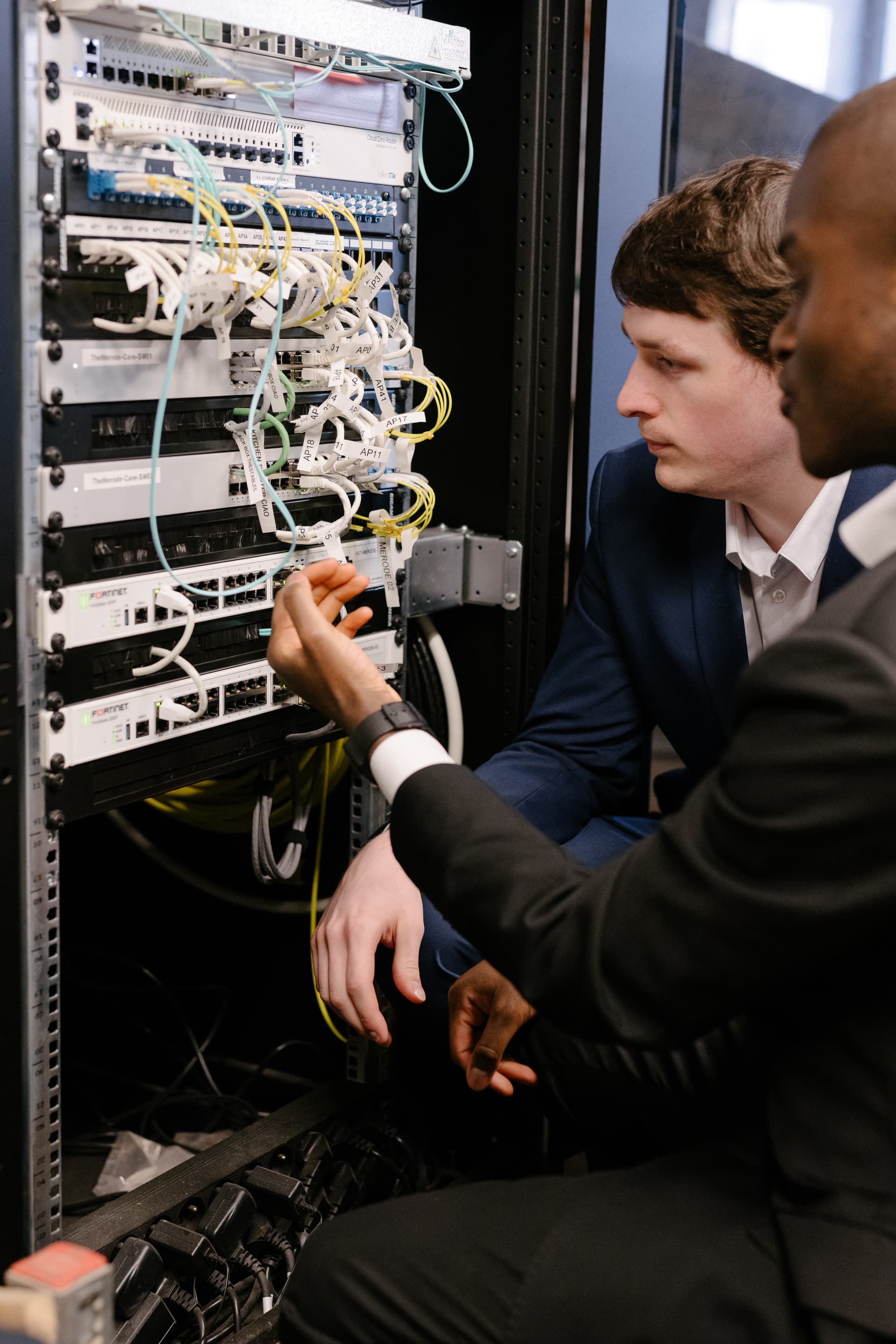
Our embedded experts operate inside the client environment with a high degree of proximity and accountability. They support the internal teams, help stabilise operations, drive follow-through, coordinate providers, raise issues early, support end users, document progress, and give leadership a clearer picture of what is happening on the ground.
One of the strongest aspects of the Dayana model is that the expert placed within the client’s organisation is never operating alone.
At Dayana, our methodology is built on listening, structure, proximity and execution.

We work in luxury hospitality, real estate and high-end retail because these environments demand more than technical competence alone. They require discretion, adaptability, service culture, multilingual communication, operational intelligence and the ability to make technology work in living, demanding environments.

Our methodology in four phases

Audit

We begin with reality, not assumptions

Our first responsibility is to understand how the organisation truly functions today.

Not just the systems on paper.
Not just the architecture diagram.
Not just the official process.

We study the business as it is actually lived by the people who run it every day.

That means taking the time to observe, listen and document the operational reality across departments. In luxury hospitality, real estate and retail, this requires an especially careful understanding of how service, timing, standards and internal coordination interact.

We conduct cross-functional discussions with key stakeholders and operational teams to build a true 360-degree view of the ecosystem. Depending on the environment, this may include leadership, general management, front office, reservations, housekeeping, F&B, maintenance, finance, HR, marketing, sales, guest relations, back-office administration, and external service providers.
 

We review the current environment through both a business lens and an operational technology lens:

  • existing systems and tools

  • infrastructure and workplace setup

  • support model and escalation paths

  • onboarding and offboarding practices

  • access rights and user lifecycle control

  • equipment fleet, stock and asset management

  • documentation quality

  • vendor landscape and contractual structure

  • continuity risks

  • data circulation and governance practices

  • interdepartmental friction points

  • operational dependencies affecting service quality
     

This phase includes the construction of a clear AS-IS assessment:
how the organisation currently operates, where the weak points are, where the strengths already exist, and where performance is being limited by poor structure, weak adoption, fragmented governance, or underused technology.

Just as importantly, we identify the issues that cannot be solved by technology alone.

Because one of the biggest mistakes in digital transformation is trying to digitise operational confusion.

When a challenge is primarily organisational, process-related or managerial, we say so clearly. We work with the right decision-makers to define the appropriate operational response first, before using digital tools to accelerate it.

That discipline is essential.
Digital does not replace operational clarity.
It amplifies it.

2

Structuring

Once the reality is clear, we create a framework that can support performance

After the audit phase, we move into structuring.

This is where Dayana brings order, consistency and direction to environments that often became too dependent on habits, informal workarounds or fragmented decision-making.

We define a practical TO-BE model: a target operating environment that reflects the ambitions of the client, the level of service expected by their teams and guests, and the operational constraints of the business.
 

This structuring phase may include:

  • redefining support workflows and escalation logic

  • clarifying roles and responsibilities across internal teams and external providers

  • formalising onboarding, offboarding and user access processes

  • improving device lifecycle management and stock governance

  • creating a cleaner framework for contracts, subscriptions, software licensing and suppliers

  • strengthening documentation standards

  • designing monitoring and reporting practices

  • building internal governance routines around change, incidents, priorities and service continuity

  • introducing a better discipline around data governance and user actions
     

Documentation is a central pillar of this phase.
 

Without documentation, there is no continuity.
Without continuity, there is no real resilience.
Without resilience, there is no premium operation.


We therefore make documentation part of the operating foundation: procedures, system dependencies, asset records, vendor references, workflows, access logic, key recovery points, and internal knowledge transfer.

This is also where our understanding of data governance becomes critical.
 

A successful digital transition depends on the quality, consistency and control of the data that circulates within the organisation. AI tools, search systems, CRM engines, reporting layers and automation workflows only become valuable when the underlying data is governed correctly.
 

That means understanding how information is created, modified, shared and used across the business, from the general manager to the receptionist, from housekeeping to the valet, from administration to marketing.
 

Our experts are trained to look beyond the tool itself and understand the operational flows behind it. That is how meaningful governance is built.

3

Connection

We connect systems, departments, providers and business priorities
Once the structure is defined, we focus on connection.

In many high-end organisations, the issue is not the complete absence of tools. It is the absence of coordination between them.

A hotel may have its PMS, POS, CRM, communications tools, workplace systems, telephony, Wi-Fi infrastructure, guest-facing technologies, smart room equipment, audiovisual systems, reporting environments and marketing platforms in place. A real estate or luxury retail organisation may have a similarly broad environment across workplace IT, business applications, property operations, mobile users, cloud services, connectivity, inventory and administrative systems.

But if these layers do not speak to each other clearly, the organisation loses time, visibility and control.

In this phase, we work to reconnect the ecosystem at every level:

  • between departments

  • between business goals and technical priorities

  • between local operations and group expectations

  • between internal teams and third-party vendors

  • between digital tools and real user behaviour

  • between data inputs and decision-making outputs

We also pay close attention to external vendor management, which is often a major blind spot.

Many organisations depend on multiple external partners across infrastructure, telecom, cybersecurity, software, digital marketing, web, integrations, guest technologies or managed services. Yet few have a clear methodology for supervising these relationships properly.

Dayana helps identify every relevant provider, review the framework of each collaboration, re-read master agreements where needed, clarify responsibilities, and introduce a structured follow-up model.

Depending on the context, this can include:

  • vendor mapping

  • contract review and renewal visibility

  • workstream ownership

  • meeting cadence and governance rituals

  • delivery follow-up

  • reporting to management

  • prioritisation and escalation logic

  • adoption of structured working methods when relevant, including sprint-based coordination or other practical delivery frameworks

Our role is not to add noise.
It is to create clarity and accountability.

And because we embed experts inside the client’s organisation while backing them with the wider Dayana structure, we offer something rare: the closeness of an internal team member with the leverage of an external specialist organisation.

That means the client does not receive a single isolated profile.
They receive an embedded expert supported by a wider system of knowledge, peer review, continuous training and operational backup.

4

Orchestration

We stay in motion with your teams and ensure the model performs over time
This is where the Dayana model becomes fully visible.


We do not stop at recommendations.
We do not disappear after the audit.
We do not hand over a slide deck and call it transformation.

We stay engaged in execution.
 

Our embedded experts operate inside the client environment with a high degree of proximity and accountability. They support the internal teams, help stabilise operations, drive follow-through, coordinate providers, raise issues early, support end users, document progress, and give leadership a clearer picture of what is happening on the ground.
 

This orchestration phase includes:

  • day-to-day user support with strong service discipline

  • operational coordination across departments

  • continuity of systems and back-office services

  • issue follow-up and escalation management

  • local support for equipment, workplace tools and operational technologies

  • support for openings, seasonal changes, refurbishments and operational peaks

  • training, re-training and user adoption support

  • documentation upkeep and knowledge continuity

  • performance monitoring and reporting

  • management visibility and strategic feedback loops

  • continuous identification of improvement opportunities
     

For Dayana, monitoring is not only technical.

It is human, operational and strategic.

If a continuous digital presence is what your organisation needs, we can provide it. Our support philosophy is built around proximity, responsiveness and respect for the experience of your teams and your clients.
 

That is why, in hospitality especially, our approach can extend beyond traditional back-office IT support.
 

We can also support first-line operational teams in real time when technical issues risk affecting the guest journey. Reception teams, front office employees and other customer-facing staff may need immediate guidance when an incident impacts service. In those moments, speed, clarity and confidence matter.
 

And because the guest experience no longer ends when a guest leaves the property, our internalised support model can also work closely with marketing and communication teams to help protect the continuity of campaigns, acquisition flows, CRM operations and brand-facing digital touchpoints.
 

Technology, after all, supports both the stay and the story around the stay.

5

Why this model makes a difference

Embedded locally. Backed globally.
One of the strongest aspects of the Dayana model is that the expert placed within the client’s organisation is never operating alone.


That person becomes part of the client’s internal rhythm, but remains supported by the wider Dayana structure in the background. This creates a level of continuity, resilience and service depth that is very difficult to achieve with an internal team of similar size.
 

It also gives clients access to stronger collective capability:

  • exposure to multiple sectors and operating models

  • continuous upskilling and targeted training

  • access to broader technological perspectives

  • ability to mobilise specialist knowledge when needed

  • stronger continuity in case of absence, transition or scale-up
     

Our experts are not shaped by one single case study.
Their backgrounds are diverse, multilingual and operationally rich.


Within Dayana, we are able to work fluently in:
English, French, Spanish, Portuguese and Dutch


That multilingual capability matters in international hospitality, real estate and retail environments, where technology support is never just technical. It is relational, cultural and operational.
 

And beyond capability, there is conviction.
 

We care about the projects we support.
We believe in the ambitions of our clients.
We like building inside environments that want to elevate their standards, strengthen their foundations and create something lasting.


That belief changes the quality of execution.

6

What Dayana protects and improves

We stay in motion with your teams and ensure the model performs over time

Our methodology is designed to strengthen the full support foundation around the business, including:

  • internal user support and service continuity

  • back-office reliability and administrative efficiency

  • onboarding, offboarding and employee lifecycle support

  • asset, fleet, stock and licensing governance

  • documentation and knowledge transfer

  • vendor coordination and reporting discipline

  • support structures for peaks, openings and transitions

  • governance over access, data usage and operational flows

  • collaboration with management, HR, finance and administration

  • support for guest-facing continuity when service is at risk

  • alignment with marketing and communication continuity where needed
     

In other words, we help consolidate the operational support layer that allows the wider business to perform with confidence.

7

Closing statement

At Dayana, our methodology is built on listening, structure, proximity and execution.

We work in luxury hospitality, real estate and high-end retail because these environments demand more than technical competence alone. They require discretion, adaptability, service culture, multilingual communication, operational intelligence and the ability to make technology work in living, demanding environments.

We bring people who understand that reality.

And we make sure that the technology around your business is not only functioning, but truly serving your teams, your standards, your data, your operations and your long-term competitive advantage.

Dayana Group Digital Workspace
We conduct cross-functional discussions with key stakeholders and operational teams to build a true 360-degree view of the ec
+32 2 88 60 092
Brussels (Head Office)
Paris

Rue Des Colonies 11
1000 Brussels
Belgium

84 Rue du Faubourg Saint-Honoré
75008 Paris
France

Dublin

71 Lower Baggot Street
Dublin D02 P593
Ireland

©2022 Dayana All Rights Reserved.

Dayana operates under Belgian and/or Irish jurisdiction, according to the territory in which the collaboration occurs.
bottom of page